Category: Blog

Your blog category

  • Best Career Options After Graduation in India

    Best Career Options After Graduation in India

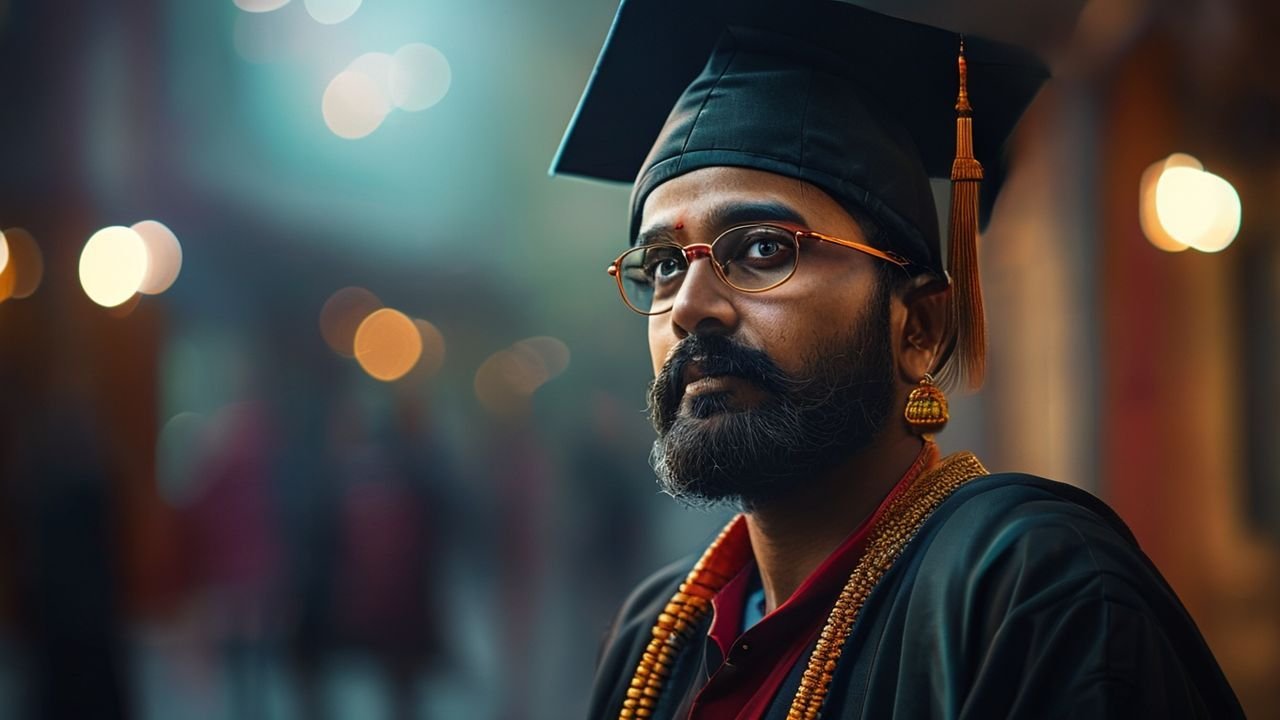
    The moment you toss your graduation cap into the air marks both an end and a thrilling new beginning. For many graduates in India, this transition is accompanied by a mix of excitement and uncertainty. With a diverse and rapidly evolving job market, figuring out the ‘next step’ can feel overwhelming. Whether you’ve just completed your B.A., B.Com, B.Sc, B.Tech, or BBA, the landscape of career options after graduation is vast, offering numerous pathways for growth and success. This guide aims to demystify the choices available, helping you make informed decisions about your future.

    Navigating Your First Steps After Graduation

    One of the most immediate decisions post-graduation is whether to pursue higher studies or enter the job market directly. Both paths offer distinct advantages and opportunities for personal and professional development.

    Considering Further Education

    For many, a bachelor’s degree serves as a foundation, and advanced qualifications can significantly boost career prospects and earning potential. India offers a wealth of best courses after graduation India across various disciplines.

    • Master’s Degrees: An M.A., M.Sc., M.Com, or M.Tech allows for deeper specialization in your chosen field. An MBA, for instance, is highly sought after by B.Com, BBA, and even B.Tech graduates looking to move into management roles. Understanding how to navigate top management entrance exams in India like CAT, XAT, NMAT, and SNAP can be crucial for this path.
    • Postgraduate Diplomas (PGDM/PGP): These are often industry-focused and shorter than traditional master’s degrees, designed to equip you with specific job-ready skills.
    • Professional Certifications: Fields like finance (CFA, FRM), accounting (CA, ACCA), project management (PMP), and digital marketing offer certifications that add considerable value to your profile without requiring a full degree.
    • Government Exams: Many graduates aspire to join the civil services (UPSC) or other government sectors (SSC CGL). These competitive exams require dedicated preparation but offer stable and respected career paths.

    Entering the Job Market Directly

    Opting for immediate employment provides valuable real-world experience, financial independence, and a head start in building your professional network. This path is often chosen by graduates eager to apply their academic knowledge practically and develop industry-specific skills.

    • Campus Placements: For many B.Tech and BBA graduates, campus placements are a primary route to securing entry-level positions in leading companies.
    • Off-Campus Job Hunting: This involves actively searching for opportunities through job portals, company websites, networking events, and professional platforms like LinkedIn.
    • Internships: Even after graduation, undertaking an internship can be an excellent way to gain practical exposure, understand industry dynamics, and potentially secure a full-time role.

    Career Pathways Tailored to Your Degree

    Your undergraduate degree provides a fundamental base, but the evolving job market encourages interdisciplinary skills and continuous learning. Here, we outline some popular career options based on common graduation streams, while also highlighting how cross-functional skills can open doors.

    For B.Tech/B.E. Graduates

    Engineering graduates are highly sought after across various sectors. While core engineering roles remain strong, the IT and technology sectors offer dynamic opportunities.

    • Software Development & IT: Roles like Software Developer, Web Developer, Mobile App Developer, QA Engineer, DevOps Engineer, and Cloud Engineer are consistently in demand.
    • Data Science & Analytics: With the explosion of data, a career in data science and analytics is booming. Graduates with strong analytical and programming skills can pursue roles as Data Scientists, Data Analysts, or Machine Learning Engineers.
    • Core Engineering: Mechanical, Civil, Electrical, and Chemical engineers find opportunities in manufacturing, infrastructure, energy, and process industries.
    • IT Consulting & Product Management: Combining technical knowledge with business acumen can lead to roles in tech consulting or managing product lifecycles.

    For B.Com Graduates

    Commerce graduates possess a strong foundation in business, finance, and economics, making them versatile candidates for many industries.

    • Finance & Banking: Investment banking, equity research, financial analysis, wealth management, retail banking, and corporate finance are popular choices.
    • Accounting & Auditing: Roles in accounting firms, corporate finance departments, and internal audit are perennial options, often enhanced by professional certifications like CA or ACCA.
    • Taxation: Becoming a tax consultant or working in corporate tax departments is another specialized area.
    • Digital Marketing & E-commerce: A strong understanding of business can be applied effectively in online marketing strategies, e-commerce operations, and business development.
    • Business Analyst: This role bridges the gap between IT and business, requiring an understanding of both to improve processes and systems.

    For B.Sc Graduates

    Science graduates have a strong analytical background, opening doors to research, technology, and specialized industry roles.

    • Research & Development: Many B.Sc graduates pursue higher education (M.Sc, Ph.D.) to enter research roles in academia, government labs, or private industries (e.g., pharmaceuticals, biotechnology).
    • Data Science & Analytics: Similar to B.Tech graduates, those with strong mathematical and statistical skills can transition into data-related roles.
    • Healthcare & Pharmaceuticals: Roles in laboratories, quality control, medical writing, and pharmaceutical sales are common.
    • Teaching & Academia: With further qualifications like a B.Ed or M.Sc, teaching at school or college levels is a rewarding path.
    • Environmental Science: Growing opportunities exist in environmental consulting, conservation, and sustainable development.

    For B.A. Graduates

    Arts graduates develop critical thinking, communication, and research skills that are highly valued in many people-centric and creative industries.

    • Content Creation & Media: Journalism, content writing, editing, digital marketing (especially content strategy), public relations, and social media management are strong options. Creative careers in India are seeing significant growth.
    • Human Resources: Roles in talent acquisition, HR management, and employee relations leverage strong interpersonal and organizational skills.
    • Civil Services & Government: Preparation for UPSC, SSC, and state-level civil service exams is a popular choice for BA graduates seeking stable and impactful careers.
    • Social Work & NGOs: Working with non-governmental organizations or in social welfare programs allows for direct societal impact.
    • Academia & Research: Pursuing an M.A. and Ph.D. can lead to a career as a professor or researcher in humanities and social sciences.

    For BBA Graduates

    BBA graduates are primed for management and business-centric roles, with a broad understanding of organizational functions.

    • Management Trainee Programs: Many large corporations offer MT programs, providing exposure to various departments before specializing.
    • Marketing & Sales: Roles in brand management, market research, sales management, and digital marketing are common.
    • Human Resources: Similar to BA graduates, BBA holders can excel in HR roles, leveraging their understanding of business operations.
    • Operations Management: Managing supply chains, logistics, and day-to-day business operations.
    • Entrepreneurship: The BBA curriculum often fosters an entrepreneurial mindset, encouraging graduates to start their own ventures.

    Essential Skills for Career Success in India

    Regardless of your degree, the modern job market demands a blend of technical proficiency and robust soft skills. Focusing on these areas can significantly enhance your employability and career growth.

    • Technical Skills: Depending on your chosen path, these could include programming languages (Python, Java), data analysis tools (Excel, SQL, Tableau), digital marketing platforms (Google Ads, SEO tools), financial software, or specific design tools.
    • Soft Skills: Employers highly value attributes such as effective communication, problem-solving abilities, critical thinking, teamwork, adaptability, leadership, and emotional intelligence. Developing essential soft skills for job success in India is paramount.
    • Continuous Learning: The professional landscape is constantly evolving. A commitment to lifelong learning through online courses, certifications, workshops, and industry publications is vital for staying relevant.

    Understanding Salary Expectations and Growth

    Entry-level salaries for graduates in India can vary significantly based on the degree, industry, company, location, and individual skill set. A B.Tech graduate from a top-tier institution might command a higher starting package in the IT sector than a B.A. graduate entering a non-profit role. However, it’s important to remember that initial salary is just one factor.

    What truly matters is the growth trajectory. With relevant experience, continuous skill development, and potentially higher education, salary expectations can increase substantially. For instance, a BBA graduate starting in a sales role might see significant growth through promotions and by acquiring an MBA. Similarly, a B.Sc graduate in a lab role can progress into research management with experience and advanced degrees.

    Making an Informed Decision: Higher Studies or Job?

    The choice between further studies and immediate employment is deeply personal and should align with your long-term career aspirations, financial situation, and aptitude. There’s no universally ‘correct’ answer.

    • Higher Education is beneficial if: You aim for specialized roles, desire a deeper understanding of a subject, wish to enter academia or research, or if your undergraduate degree needs supplementing for your desired career path (e.g., MBA for management roles).
    • Direct Employment is suitable if: You are keen to gain practical experience, want financial independence, are confident in your current skill set, or if your chosen industry values on-the-job learning more than advanced degrees.

    It’s also possible to combine both. Many professionals pursue part-time master’s degrees or certifications while working, allowing them to gain both academic knowledge and practical experience simultaneously.

    The post-graduation phase is a pivotal moment, full of potential. While the journey may seem daunting, a clear understanding of your strengths, interests, and the available opportunities can guide you toward a fulfilling career. Remember that career paths are rarely linear, and adaptability is a key asset. Embrace learning, network actively, and remain open to exploring different avenues.

    If you’re still navigating these crucial choices, consider seeking professional guidance. Understanding how to choose the right career can be made simpler with expert insights tailored to your unique profile and aspirations.

  • Best Career Options After Graduation in India

    Best Career Options After Graduation in India

    Graduating from college is a significant milestone, marking the end of one chapter and the exciting, albeit sometimes daunting, beginning of another. For many students in India holding a BA, BCom, BSc, BTech, or BBA degree, the immediate question after throwing their caps in the air is often, “What next?” The vast array of career options after graduation can feel overwhelming, leading to confusion about the best path forward. This comprehensive guide aims to illuminate the diverse opportunities available in the Indian job market, helping you make informed decisions about your future.

    Navigating the Post-Graduation Maze: Initial Steps

    Before diving into specific career paths, it’s crucial to take a moment for self-reflection and market understanding. India’s economy is dynamic, constantly evolving and creating new roles, which means the “best courses after graduation India” and subsequent job roles are also shifting.

    Self-Assessment and Goal Setting

    Your ideal career isn’t just about market demand; it’s about aligning with your strengths, interests, and values. Consider what truly motivates you, what subjects you excelled at, and what kind of work environment you envision yourself thriving in. Are you looking for stability, innovation, creativity, or a chance to impact society directly? Understanding these aspects is the first step in how to choose the right career. This self-assessment will narrow down the multitude of career options after graduation and make the decision-making process less daunting.

    Understanding the Indian Job Market

    India’s job market is characterized by both rapid growth in sectors like technology, finance, and digital media, and continued demand in traditional areas like government services and education. Keeping abreast of industry trends, skill gaps, and emerging sectors can provide a strategic advantage. It’s also important to consider the differences between government vs private jobs vs freelancing, as each offers distinct advantages and disadvantages depending on your priorities.

    Career Paths for Arts (BA) Graduates

    A Bachelor of Arts degree, often mistakenly perceived as limiting, actually opens doors to a wide spectrum of fields that demand critical thinking, communication, and analytical skills. The career options after graduation for BA students are surprisingly diverse, especially if coupled with further specialisation or skill development.

    Public Services and Government Jobs

    Many BA graduates aspire to careers in public service. The Union Public Service Commission (UPSC) Civil Services Exam and various Staff Selection Commission (SSC) exams are popular choices. Roles in administrative services, foreign services, police, and various government departments offer stability, prestige, and opportunities for societal impact. Preparing for exams like SSC CGL and CHSL can be a focused path for BA graduates.

    Media, Communication, and Content Creation

    With strong foundational skills in language, literature, and critical analysis, BA graduates are well-suited for roles in journalism, advertising, public relations, digital marketing, content writing, and film production. The burgeoning digital landscape in India has created a massive demand for skilled communicators and content creators across various platforms.

    Social Work and NGOs

    Graduates passionate about social change and community development can pursue careers in social work, working with NGOs, international aid organizations, or government welfare programs. Further education like an MSW (Master of Social Work) can enhance prospects in this impactful sector.

    Further Education and Specialisation

    Many BA graduates opt for postgraduate degrees like MA, MBA (after gaining some work experience), or law (LLB). Specialised diplomas or certifications in fields like counseling, psychology, human resources, or foreign languages can also significantly boost employment prospects. These can often be considered some of the best courses after graduation India, especially when targeting specific industries.

    Opportunities for Commerce (BCom & BBA) Graduates

    BCom and BBA graduates form a backbone of the Indian corporate sector. Their foundational understanding of business, finance, and management principles makes them highly sought after across various industries. The career options after graduation for them are robust and varied.

    Finance and Accounting Roles

    This is a natural fit for commerce graduates. Roles include accountants, financial analysts, auditors, tax consultants, and investment bankers. Pursuing professional certifications like CA (Chartered Accountant), CS (Company Secretary), CMA (Cost and Management Accountant), or CFA (Chartered Financial Analyst) can lead to highly rewarding careers. Many also opt for an MBA in Finance.

    Management and Entrepreneurship

    BBA graduates, in particular, are groomed for management roles. They can enter sectors like retail management, operations management, project management, and human resources. The entrepreneurial spirit is also strong among commerce graduates, with many venturing into starting their own businesses. For those aiming for top management roles, cracking top management entrance exams in India like CAT, XAT, NMAT, or SNAP is often the next step towards an MBA.

    Marketing and Sales

    Every business needs effective marketing and sales professionals. BCom and BBA graduates can find roles as marketing executives, brand managers, sales managers, market research analysts, and digital marketing specialists. The growth of e-commerce has further amplified demand in these areas.

    Digital Economy Roles

    With the rise of the digital economy, commerce graduates can transition into roles requiring an understanding of both business and technology. This includes roles in e-commerce management, business analytics, and even an entry point into areas like data analysis with additional training. Understanding essential soft skills for job success in India, like communication and teamwork, becomes even more critical in these collaborative, fast-paced environments.

    Diverse Avenues for Science (BSc) Graduates

    A Bachelor of Science degree provides a strong analytical and problem-solving foundation, making its graduates valuable across scientific, technical, and even commercial sectors. The career options after graduation for BSc holders are broad, often leading to specialized roles.

    Research and Development

    Many BSc graduates, especially those with a passion for scientific inquiry, pursue careers in research. This often involves pursuing an MSc followed by a PhD, leading to roles in government research institutions (e.g., CSIR labs), university research, or private R&D firms in pharmaceuticals, biotechnology, and materials science.

    Healthcare and Allied Fields

    Graduates in subjects like Biotechnology, Microbiology, Biochemistry, and Zoology can find roles in pathology labs, hospitals (as lab technicians, medical writers), pharmaceutical companies, and clinical research organizations. While not directly clinical roles, these are crucial supporting functions within the healthcare ecosystem.

    IT and Data Science

    BSc graduates in Computer Science, Mathematics, Statistics, and Physics are well-positioned for the booming IT sector. Roles include software development, web development, data analysis, and quality assurance. With additional certifications or a Master’s degree, a career in Data Science and Analytics is an increasingly popular and lucrative path for science graduates.

    Teaching and Academia

    For those with a strong academic bent and a desire to educate, teaching can be a rewarding career. After a B.Ed (Bachelor of Education) or an MSc, graduates can become school teachers, college lecturers (after NET/SET exams), or pursue further academic research.

    High-Demand Roles for Engineering (BTech) Graduates

    BTech graduates are among the most sought-after professionals in India, given the country’s strong focus on technology and infrastructure development. The career options after graduation for engineers are vast and constantly expanding, encompassing both core engineering and interdisciplinary fields.

    Core Engineering Fields

    Depending on their specialization (e.g., Civil, Mechanical, Electrical, Chemical), engineers find roles in manufacturing, infrastructure development, energy, automotive, and process industries. These roles involve design, analysis, production, quality control, and maintenance. Public Sector Undertakings (PSUs) are significant employers in these core sectors.

    Software Development and IT Consulting

    Regardless of their core engineering branch, a significant number of BTech graduates, especially those from Computer Science, Information Technology, and Electronics & Communication, enter the software industry. Roles include software developer, testing engineer, database administrator, network engineer, and IT consultant. India’s IT services sector continues to be a major employer.

    Emerging Technologies (AI/ML, Data Science)

    The rise of artificial intelligence, machine learning, data science, cybersecurity, and IoT has opened up highly specialized and well-paying roles. BTech graduates with strong programming skills and a keen interest in these areas can pursue advanced certifications or master’s degrees to specialize. These are some of the fastest-growing and best courses after graduation India for engineers.

    Public Sector Undertakings (PSUs)

    Many BTech graduates aspire to work in PSUs like ONGC, NTPC, IOCL, and BHEL. These offer stable careers with good benefits and opportunities for large-scale project involvement. Entry is typically through competitive exams like GATE (Graduate Aptitude Test in Engineering).

    Essential Skills and Strategies for All Graduates

    Beyond your degree, certain skills and approaches are universally valued in the job market, irrespective of your chosen career path. These are critical for enhancing your career options after graduation.

    Developing In-Demand Soft Skills

    Technical skills alone are often not enough. Employers increasingly look for soft skills. Effective communication, teamwork, problem-solving, critical thinking, adaptability, and leadership are crucial for career progression. Actively working on these through group projects, internships, and extracurricular activities will give you a significant edge.

    The Power of Internships and Networking

    Internships provide invaluable real-world experience, allowing you to apply theoretical knowledge and understand industry practices. They also help build a professional network, which can be instrumental in finding job opportunities. Attending industry seminars, workshops, and career fairs are excellent ways to network and stay informed.

    Considering Further Studies and Certifications

    Sometimes, a bachelor’s degree is just a stepping stone. Postgraduate studies (Master’s, PhD), professional certifications (e.g., PMP for project management, various IT certifications, digital marketing certifications), or even short-term skill-based courses can significantly enhance your profile. These can often be the best courses after graduation India, especially for specializing in a niche or switching career paths. Always assess the return on investment for any further educational pursuit.

    The journey after graduation is unique for everyone. Whether you’re a BA, BCom, BSc, BTech, or BBA graduate, India offers a dynamic landscape of opportunities. The key is to combine self-awareness with diligent research, continuous skill development, and a proactive approach. Don’t be afraid to explore different avenues, seek mentorship, and adapt to the changing demands of the professional world. Your career path is a marathon, not a sprint, and with the right strategy, you can build a fulfilling and successful future.

  • Essential Soft Skills for Job Success in India: Communication, Teamwork & More

    Essential Soft Skills for Job Success in India: Communication, Teamwork & More

    In today’s dynamic and competitive job market, especially in India, academic qualifications and technical expertise alone are no longer sufficient to guarantee sustained career success. Employers are increasingly looking beyond traditional metrics, placing significant emphasis on a set of attributes often referred to as ‘soft skills’. These interpersonal, communication, and personal effectiveness skills are the bedrock upon which successful careers are built, enabling individuals to navigate workplace challenges, collaborate effectively, and contribute meaningfully to an organization’s goals. Understanding and mastering these essential soft skills for jobs is not just an advantage; it’s a necessity for anyone aspiring to thrive in their professional life, from entry-level positions to leadership roles. They are critical for career readiness and continuous professional development.

    The Indian economy, with its rapid growth and evolving industries, demands a workforce that is not only technically proficient but also adaptable, collaborative, and communicative. Whether you are considering Career Options After 10th or weighing your choices after graduation, developing a robust set of soft skills is paramount. This article explores the vital role of communication, teamwork, and other crucial soft skills, offering insights into why they are indispensable for job success in India.

    The Core Pillars: Communication and Teamwork

    At the heart of workplace effectiveness lie two fundamental soft skills: communication and teamwork. These abilities dictate how well individuals interact with colleagues, clients, and superiors, and how smoothly projects progress within an organization. A strong foundation in these areas significantly boosts an individual’s value and their potential for professional growth.

    Mastering Communication: Beyond Words

    Effective communication is arguably the most critical soft skill for a successful career. It encompasses the ability to convey information clearly and concisely, listen actively, and interpret messages accurately. In the Indian context, where diverse linguistic and cultural backgrounds often converge in the workplace, strong communication skills for career advancement become even more crucial.

    • Verbal Communication: This involves speaking clearly, articulating thoughts logically, and adapting your tone and language to suit your audience. Whether you’re presenting an idea, participating in a meeting, or explaining a complex process, clarity and conciseness are key. Active listening, the counterpart to speaking, is equally important. It means fully concentrating on what others are saying, asking clarifying questions, and providing thoughtful feedback. This fosters understanding and trust.
    • Non-Verbal Communication: Your body language, facial expressions, and posture often speak louder than words. Maintaining eye contact, having an open stance, and exhibiting appropriate gestures can enhance your message and convey confidence and professionalism. Conversely, poor non-verbal cues can undermine your credibility.
    • Written Communication: In the modern workplace, a significant portion of communication occurs through emails, reports, proposals, and presentations. The ability to write professionally, grammatically correct, and logically structured content is essential. Clear written communication prevents misunderstandings and ensures that information is disseminated effectively. Strong written skills are particularly vital for roles in content creation, marketing, and client management.
    • Interview Skills: For job seekers, communication skills are put to the test during interviews. Your ability to articulate your experiences, answer questions thoughtfully, and engage in a natural conversation directly impacts your chances. Mastering interview skills in India often means not just knowing the answers, but knowing how to present them confidently and coherently, reflecting your personality and potential fit within the organization.

    The Power of Teamwork and Collaboration

    Few jobs today operate in complete isolation. Most projects and tasks require individuals to work together, pooling their skills and efforts to achieve a common goal. This is where the importance of teamwork truly shines. Companies thrive on collaboration, and individuals who can contribute positively to a team environment are highly valued.

    • Working Effectively in Groups: This involves understanding team dynamics, respecting diverse opinions, and contributing constructively. It’s about recognizing that collective effort often yields superior results compared to individual attempts.
    • Conflict Resolution: Disagreements are inevitable in any team. A key aspect of teamwork is the ability to navigate conflicts professionally, focus on solutions rather than blame, and maintain harmonious working relationships. This often requires empathy, negotiation skills, and a willingness to compromise for the greater good of the project.
    • Mutual Respect and Shared Goals: Successful teams are built on mutual respect among members and a shared understanding of the objectives. Individuals who can align their personal goals with team goals, and uplift their colleagues, are instrumental in fostering a productive and positive work environment.

    Beyond the Basics: Other Essential Soft Skills

    While communication and teamwork form the foundation, several other soft skills play a critical role in distinguishing high-performing individuals and contributing to overall job success in India’s competitive landscape.

    Critical Thinking and Problem-Solving

    Employers highly value candidates who can analyze complex situations, identify underlying problems, and develop innovative solutions. Critical thinking involves evaluating information objectively, questioning assumptions, and making informed decisions. Problem-solving goes a step further, requiring creativity and strategic thinking to overcome obstacles and achieve desired outcomes. These skills are particularly crucial in dynamic sectors and for roles that require strategic planning and decision-making.

    Adaptability and Flexibility

    The professional world is constantly changing, driven by technological advancements, market shifts, and evolving business strategies. The ability to adapt to new environments, embrace new technologies, and learn new processes quickly is a significant asset. Employees who are flexible and open to change are better equipped to handle unforeseen challenges and contribute effectively to an organization’s resilience. This agility is vital in India’s fast-evolving economy.

    Leadership and Initiative

    Leadership is not confined to managerial positions; it’s about taking ownership, inspiring others, and guiding efforts towards a common goal, regardless of your official title. Demonstrating initiative means proactively seeking opportunities to contribute, suggesting improvements, and taking responsibility for tasks without being prompted. These qualities show a commitment to growth and a desire to make a tangible impact, which are highly appreciated in any professional setting.

    Time Management and Organization

    In a fast-paced work environment, managing your time effectively and staying organized are crucial for productivity and meeting deadlines. This involves prioritizing tasks, setting realistic goals, and using tools and techniques to track progress. Good time management reduces stress, improves work quality, and demonstrates reliability, which are key components of professional development.

    Developing Soft Skills: A Lifelong Journey

    Unlike technical skills that can often be acquired through structured courses, soft skills are developed through experience, self-awareness, and continuous practice. It’s a lifelong journey of learning and refinement.

    Practical Strategies for Improvement

    • Active Participation: Engage actively in group projects, extracurricular activities, and community service. These provide excellent opportunities to practice teamwork, leadership, and communication in real-world scenarios.
    • Seek Feedback: Regularly ask for constructive criticism from mentors, professors, colleagues, or supervisors. Understanding your strengths and weaknesses is the first step towards improvement.
    • Mentorship: Find a mentor who embodies the soft skills you wish to develop. Observe their approach and seek their guidance.
    • Workshops and Online Courses: Many platforms offer dedicated workshops and Skill Courses focused on enhancing specific soft skills like public speaking, negotiation, or emotional intelligence. Exploring Job‑Oriented Courses After 12th for Students Who Don’t Want Traditional Degrees can also be beneficial, as many incorporate soft skill development into their curriculum.
    • Self-Reflection: Regularly assess your interactions and performance. What went well? What could have been handled better? This reflective practice fosters self-awareness and helps you identify areas for growth.

    Integrating Soft Skills into Your Career Path

    The journey of professional growth starts early. When students are trying to Choose Career paths, considering the soft skills required for different fields can be as important as assessing academic interests. For instance, a career in media or communications, as highlighted in “Exploring Creative Careers in India: Design, Media, Arts & Communication”, heavily relies on advanced communication and collaboration abilities. Integrating soft skills development into your educational journey, whether you’re exploring Best Career Options After 12th: Science, Commerce, Arts Students Explained or pursuing higher education, ensures you are well-rounded and prepared for the workforce.

    Soft Skills for Specific Career Stages in India

    The relevance and specific application of soft skills can evolve throughout different stages of one’s career journey in India.

    For Students and Freshers

    For those just starting out, soft skills are critical for making a strong first impression. During interviews, employers gauge not just your technical knowledge but also your communication abilities, enthusiasm, and potential to fit into the team culture. Developing these skills early can significantly impact your access to opportunities and initial career trajectory. Whether you’re a recent graduate or exploring Career Options After 12th, showcasing strong soft skills sets you apart from the competition. For example, demonstrating strong problem-solving and adaptability can be more impressive than a perfect academic score in many entry-level roles where on-the-job learning is expected.

    For Mid-Career Professionals

    As you progress in your career, soft skills become even more crucial, especially for leadership roles. The ability to motivate teams, resolve complex interpersonal issues, negotiate effectively, and drive strategic initiatives depends heavily on advanced communication, emotional intelligence, and leadership skills. Whether you are navigating the nuances of Government vs Private Jobs vs Freelancing, the core soft skills remain indispensable for professional growth and upward mobility. Mid-career professionals often find that their technical expertise is a given, but their capacity to lead, influence, and manage relationships determines their ultimate success.

    In conclusion, while technical competencies open doors, it is the mastery of essential soft skills that allows individuals to truly excel and build enduring careers in India. Communication, teamwork, critical thinking, adaptability, leadership, and time management are not mere buzzwords but indispensable assets that empower professionals to navigate the complexities of the modern workplace, foster innovation, and contribute to a thriving economy. Prioritizing the continuous development of these skills is an investment in your future, ensuring sustained job success and personal fulfillment in a competitive and ever-evolving professional landscape.

  • Exploring Creative Careers in India: Design, Media, Arts & Communication

    Exploring Creative Careers in India: Design, Media, Arts & Communication

    India, a nation known for its vibrant culture and rapidly growing economy, is witnessing a transformative shift in its career outlook. For generations, traditional paths in engineering, medicine, and civil services dominated career aspirations. However, a new wave of opportunities has emerged, pushing the boundaries of what constitutes a ‘stable’ or ‘successful’ profession. Today, creative career options India are not just viable but thriving, offering dynamic and fulfilling paths for individuals with a passion for innovation, aesthetics, and communication. This guide explores the diverse and expanding avenues within design, media, arts, and communication, helping aspiring professionals understand the potential of these exciting fields.

    The Expanding Horizons of Creative Careers in India

    The perception of creative professions has undergone a significant evolution. No longer relegated to the sidelines as mere hobbies, fields like design, media, and arts are now recognized as integral to economic growth and cultural expression. The digital revolution, coupled with increased consumer demand for personalized experiences and compelling content, has fueled an unprecedented demand for skilled creative professionals. This shift is particularly evident as students consider their futures, often exploring Career Options After 10th and Career Options After 12th that extend beyond conventional routes.

    India’s burgeoning startup ecosystem, the rise of digital marketing agencies, and a robust entertainment industry are key drivers. Companies across sectors increasingly rely on creative talent to build brands, engage audiences, and innovate products. This has led to a diversified job market, making creative roles attractive Government vs Private Jobs vs Freelancing options, with a significant inclination towards private sector and freelance opportunities.

    Dive into Design: Shaping Experiences and Aesthetics

    Design is at the core of human experience, influencing everything from the apps we use to the clothes we wear. In India, the demand for design professionals is soaring, driven by a growing awareness of user experience, brand identity, and sustainable product development. From digital interfaces to physical spaces, design jobs offer a wide array of specializations.

    Visual Communication Design

    • Graphic Design: Creating visual concepts using computer software or by hand to communicate ideas that inspire, inform, or captivate consumers. This includes logo design, branding, advertising materials, and editorial layouts.
    • Web and UI/UX Design: Focusing on the user interface (UI) and user experience (UX) of websites, applications, and software. UI designers craft the visual and interactive elements, while UX designers ensure the product is intuitive, efficient, and enjoyable to use.
    • Motion Graphics: Animating graphic elements to create visually engaging content for film, television, web, and advertising. This field is particularly in demand with the rise of digital video content.
    • Illustration: Creating original artwork for books, magazines, digital media, advertising, and merchandise. Illustrators blend artistic skill with commercial understanding.

    Product & Experience Design

    • Industrial Design: Developing the concepts for manufactured products, focusing on form, function, and user value. This includes everything from consumer electronics to furniture and automobiles.
    • Service Design: Designing or improving services to make them more useful, usable, and desirable for clients, and efficient for service providers.
    • Interaction Design: A branch of UX design, focusing on the interactions between users and products, particularly digital ones. It involves defining how users navigate, respond to, and control an interface.

    Fashion & Textile Design

    India’s rich textile heritage and booming fashion industry provide fertile ground for fashion design career aspirants. This field combines artistic vision with a keen understanding of trends, materials, and manufacturing processes.

    • Fashion Designer: Creating original clothing, accessories, and footwear. This involves sketching designs, selecting fabrics, and overseeing production.
    • Textile Designer: Developing patterns, prints, and weaves for fabrics, used in clothing, home furnishings, and industrial applications.
    • Merchandiser: Bridging the gap between design and sales, ensuring products meet market demand and are commercially viable.
    • Stylist: Curating outfits and looks for individuals, brands, photoshoots, films, or events.

    Media & Communication: The Power of Storytelling

    The media and communication sector in India is dynamic and ever-expanding, offering diverse opportunities to tell stories, influence opinions, and connect people. With the explosion of digital platforms, the demand for compelling content and strategic communication has never been higher. These media careers are at the forefront of shaping public discourse and popular culture.

    Advertising & Marketing

    A career in advertising is about crafting persuasive messages that resonate with target audiences. The shift from traditional to digital marketing has created a wealth of new roles.

    • Copywriter: Creating engaging and persuasive text for advertisements, websites, social media, and marketing campaigns.
    • Art Director: Responsible for the visual style and images in media products, such as magazines, newspapers, product packaging, and film and television productions.
    • Brand Manager: Developing and executing marketing strategies for a product or brand, overseeing its identity and market presence.
    • Digital Marketing Specialist: Focusing on online strategies including SEO, SEM, social media marketing, content marketing, and email marketing.
    • Public Relations (PR) Specialist: Managing the public image and reputation of individuals, brands, or organizations through strategic communication.

    Journalism & Content Creation

    In an age of information overload, credible journalism and engaging content are vital. This sector offers roles for those passionate about research, reporting, and storytelling.

    • Journalist (Print/Digital/Broadcast): Researching, writing, and reporting news and stories for various media platforms.
    • Content Writer/Strategist: Developing written or visual content for websites, blogs, social media, and other digital channels, often with an SEO focus.
    • Editor: Refining written content for clarity, accuracy, grammar, and style across various publications and platforms.
    • Blogger/Vlogger/Influencer: Creating personal brand content on digital platforms, leveraging niche expertise or lifestyle for audience engagement.

    Film, Television & Digital Media

    India’s entertainment industry, including Bollywood, regional cinema, and the burgeoning OTT (Over-The-Top) streaming platforms, provides vast opportunities in visual storytelling.

    • Filmmaker/Director: Overseeing the artistic and technical aspects of film production.
    • Cinematographer: The director of photography, responsible for the visual aesthetics of a film.
    • Screenwriter: Writing scripts for films, television shows, and web series.
    • Video Editor: Assembling raw footage into a cohesive and compelling final product.
    • Animator: Creating animated sequences for films, games, commercials, and educational content.

    Arts & Culture: Passion as a Profession

    For those with a deep passion for the aesthetic and performing arts, India offers unique avenues to build a career. While often perceived as alternative career paths, these fields are essential for cultural preservation and enrichment, with growing support systems and audiences.

    Visual & Performing Arts

    • Fine Artist: Creating original works of art in various mediums such as painting, sculpture, photography, and digital art.
    • Musician/Vocalist: Performing, composing, or teaching music across genres, from classical to contemporary.
    • Dancer/Choreographer: Performing and creating dance routines in various forms, including classical Indian dances, folk, and contemporary styles.
    • Actor/Theatre Artist: Performing in films, television, web series, and theatrical productions.
    • Photographer: Specializing in areas like fashion, portrait, wildlife, photojournalism, or commercial photography.

    Cultural Management & Heritage

    With India’s rich history and diverse cultural traditions, managing and preserving this heritage is a significant arts and communication jobs domain.

    • Curator: Managing and interpreting collections in museums, art galleries, and cultural institutions.
    • Art Conservator: Preserving and restoring artworks and artifacts using specialized scientific techniques.
    • Museum Professional: Working in various roles within museums, including exhibition design, education, and archiving.
    • Cultural Event Manager: Planning and executing festivals, exhibitions, and cultural performances.

    Building a Creative Career: Education, Skills, and Growth

    Embarking on a creative career requires a blend of natural talent, formal education, continuous skill development, and strategic networking. Understanding how to Choose Career wisely and what steps to take is crucial.

    Educational Pathways

    Formal education can provide foundational knowledge, technical skills, and industry connections. Institutions across India now offer specialized courses in creative fields:

    • Bachelor’s Degrees: B.Des (Bachelor of Design), BFA (Bachelor of Fine Arts), BA in Mass Communication, BA in Journalism, B.Voc (Bachelor of Vocation) in various creative disciplines. Many students consider Science vs Commerce vs Arts After 10th before choosing their stream for these specializations.
    • Master’s Degrees: M.Des, MFA, MA in Mass Communication, often for specialization or academic roles.
    • Diploma & Certification Courses: Many institutes offer short-term Diploma Courses After 10th for High‑Salary Careers or job-oriented courses after 12th in specific areas like animation, graphic design, digital marketing, or photography, providing practical skills for immediate employment.

    When selecting a path, it’s essential to avoid Top Mistakes Students Make While Choosing Stream and instead focus on aligning your interests with market demands and your unique strengths.

    Developing Your Portfolio & Skills

    In creative fields, your portfolio is often more important than your resume. It’s a curated collection of your best work that showcases your skills, style, and potential.

    • Build a Strong Portfolio: Regularly create personal projects, participate in competitions, and seek internships to build a diverse body of work.
    • Master Software & Tools: Proficiency in industry-standard software (e.g., Adobe Creative Suite, Figma, Blender, editing software) is non-negotiable for many roles. Explore various Skill Courses to stay updated.
    • Develop Soft Skills: Communication, collaboration, problem-solving, adaptability, and critical thinking are crucial for success in dynamic creative environments.
    • Network Actively: Attend workshops, industry events, connect with professionals on LinkedIn, and seek mentorship.

    Navigating the Job Market

    The job market for creative professionals in India is competitive but also full of opportunities. Understanding the different employment models can help you plan your career.

    • In-house Roles: Working for a single company (e.g., as a graphic designer for an e-commerce brand, a content writer for a tech firm).
    • Agency Roles: Working for creative agencies that serve multiple clients (e.g., advertising agencies, digital marketing firms, design studios).
    • Freelancing: Offering your services independently to various clients. This provides flexibility but requires strong self-management and marketing skills. Many creative professionals thrive in this model, leveraging online platforms to find work.
    • Entrepreneurship: Starting your own design studio, production house, or creative venture, especially after gaining experience.

    The journey into a creative career is often challenging but immensely rewarding. It demands continuous learning, resilience, and a deep-seated passion for your craft. By understanding the diverse opportunities, investing in relevant education and skills, and proactively building a strong professional presence, aspiring creative professionals in India can carve out successful and impactful careers in design, media, arts, and communication.

  • SSC CGL and CHSL: Complete Guide to Staff Selection Commission Exams

    SSC CGL and CHSL: Complete Guide to Staff Selection Commission Exams

    Aspiring for a stable and respected career in the Indian government? The Staff Selection Commission (SSC) examinations, particularly the Combined Graduate Level (CGL) and Combined Higher Secondary Level (CHSL) exams, stand out as primary gateways for countless individuals seeking secure government jobs after graduation and even after completing their 12th standard. These highly sought-after examinations conducted by the Staff Selection Commission offer diverse SSC career options, attracting millions of applicants annually. This comprehensive guide will walk you through everything you need to know about SSC CGL and CHSL, from eligibility criteria and exam patterns to effective preparation strategies, helping you decide if an SSC career is the right path for you.

    Understanding the Staff Selection Commission (SSC)

    The Staff Selection Commission is an organization under the Government of India that recruits staff for various posts in the various Ministries and Departments of the Government of India and in subordinate offices. Established in 1975, the SSC plays a pivotal role in filling numerous positions, ensuring a transparent and merit-based selection process. Its exams are a popular choice for individuals looking for job security, attractive salaries, and opportunities for growth within the government sector. Many of these roles fall under the category of non-technical government jobs, making them accessible to graduates from various academic backgrounds.

    SSC CGL: The Combined Graduate Level Examination

    The SSC CGL is undoubtedly one of India’s most competitive examinations for graduates seeking government employment. It’s designed to recruit candidates for Group ‘B’ and Group ‘C’ posts across various Ministries, Departments, and Organizations of the Government of India. The prestige and variety of posts offered make SSC CGL preparation a dedicated journey for serious aspirants.

    Eligibility Criteria for SSC CGL

    To be eligible for the SSC CGL exam, candidates must meet specific requirements:

    • Nationality: Candidate must be a citizen of India.
    • Age Limit: Generally, candidates must be between 18 and 32 years of age, though it varies for different posts. Age relaxations are provided for reserved categories as per government rules.
    • Educational Qualification: A Bachelor’s Degree in any discipline from a recognized University or equivalent is mandatory. Specific posts, like Junior Statistical Officer (JSO) or Assistant Audit Officer/Assistant Accounts Officer, may require a Bachelor’s Degree with a minimum of 60% in Mathematics at the 12th standard level, or a Bachelor’s Degree in any subject with Statistics as one of the subjects at degree level, respectively. This makes it a prime option for government jobs after graduation.

    SSC CGL Exam Pattern

    The SSC CGL exam typically comprises four tiers, each designed to assess different aspects of a candidate’s abilities:

    • Tier-I (Computer-Based Examination): This is a qualifying exam covering General Intelligence & Reasoning, General Awareness, Quantitative Aptitude, and English Comprehension.
    • Tier-II (Computer-Based Examination): This tier consists of multiple papers, generally including Quantitative Abilities, English Language and Comprehension, Statistics (for JSO post), and General Studies (Finance & Economics for AAO/AO post). Performance in Tier-II is crucial for merit listing.
    • Tier-III (Descriptive Paper): This offline paper assesses writing skills in English or Hindi through essays, précis, letter writing, etc.
    • Tier-IV (Computer Proficiency Test/Data Entry Skill Test): This tier is qualifying in nature and is required for certain posts. It evaluates candidates’ computer proficiency and data entry speed.

    Popular Posts Through SSC CGL

    The SSC CGL opens doors to a wide range of non-technical government jobs, including:

    • Assistant Audit Officer (AAO)
    • Assistant Accounts Officer (AAO)
    • Assistant Section Officer (ASO)
    • Income Tax Inspector
    • Central Excise Inspector
    • Sub-Inspector (CBI, Narcotics)
    • Auditor
    • Accountant
    • Junior Statistical Officer (JSO)
    • Tax Assistant

    SSC CHSL: The Combined Higher Secondary Level Examination

    The SSC CHSL exam targets candidates who have completed their 12th standard, offering them an entry point into the central government administration. It’s an excellent opportunity for those looking for career options after 12th without necessarily pursuing a full bachelor’s degree immediately. For students wondering what to do if you are confused about your career after 12th, CHSL provides a clear, structured path.

    Eligibility Criteria for SSC CHSL

    The eligibility requirements for SSC CHSL are less stringent than CGL:

    • Nationality: Candidate must be a citizen of India.
    • Age Limit: Generally, candidates must be between 18 and 27 years of age. Age relaxations are applicable for reserved categories.
    • Educational Qualification: Candidates must have passed the 12th standard or equivalent examination from a recognized Board or University. For Data Entry Operator (DEO) in some departments, a 12th standard pass in Science stream with Mathematics as a subject is required.

    SSC CHSL Syllabus and Exam Pattern

    The SSC CHSL syllabus and exam pattern are also divided into tiers:

    • Tier-I (Computer-Based Examination): Similar to CGL Tier-I, it includes General Intelligence, English Language, Quantitative Aptitude, and General Awareness. This is a qualifying paper.
    • Tier-II (Descriptive Paper): An offline paper that tests writing skills through essays and letter writing.
    • Tier-III (Skill Test/Typing Test): This tier is qualifying and assesses typing speed for posts like Lower Division Clerk (LDC), Junior Secretariat Assistant (JSA), Postal Assistant (PA), and Sorting Assistant (SA), or data entry speed for Data Entry Operators (DEOs). For students who excel in practical applications rather than traditional academics, exploring job-oriented courses after 12th alongside CHSL preparation can be beneficial.

    Posts Offered Through SSC CHSL

    SSC CHSL recruits for various Group ‘C’ posts, including:

    • Lower Division Clerk (LDC)
    • Junior Secretariat Assistant (JSA)
    • Postal Assistant (PA)
    • Sorting Assistant (SA)
    • Data Entry Operator (DEO)

    Comparing SSC CGL and CHSL: Which Exam is for You?

    While both exams lead to central government jobs, their target audience and career trajectories differ significantly:

    • Educational Requirement: CGL requires a bachelor’s degree, making it suitable for government jobs after graduation. CHSL requires a 12th-pass certificate, providing career options after 10th (after completing 12th standard) at an earlier stage.
    • Post Level & Salary: CGL typically offers higher-level, Group ‘B’ and ‘C’ posts with better pay scales and more responsibilities. CHSL offers Group ‘C’ clerical and data entry roles, which are entry-level positions.
    • Career Progression: CGL roles generally have faster and more significant promotional avenues compared to CHSL roles.
    • Difficulty Level: CGL is generally considered more challenging due to the higher level of aptitude and comprehensive knowledge required.

    Your choice between CGL and CHSL depends on your current educational qualification, career aspirations, and readiness for a competitive environment. Both offer valuable entry points into the government sector, providing job security and a platform for public service.

    Effective Preparation Strategies for SSC Exams

    Success in staff selection commission exams requires a strategic approach, consistent effort, and smart study techniques. Whether it’s SSC CGL preparation or mastering the SSC CHSL syllabus, certain fundamental strategies remain common.

    1. Understand the Syllabus and Exam Pattern

    Thoroughly go through the official syllabus for your chosen exam. Familiarize yourself with the exam pattern, marking scheme, and types of questions asked. This clarity helps in effective resource allocation and study planning.

    2. Build Strong Fundamentals

    Focus on strengthening your basics in Quantitative Aptitude, Reasoning, English Language, and General Awareness. Use standard textbooks and reliable online resources. For those looking to enhance their abilities beyond traditional academics, exploring various skill courses can complement your preparation by building problem-solving and analytical skills.

    3. Practice Regularly

    Practice is key. Solve a variety of questions from each section daily. Pay special attention to areas where you are weak. Regular practice improves speed and accuracy.

    4. Solve Previous Year Papers and Mock Tests

    Solving previous year question papers gives you an idea of the exam’s difficulty level and common question types. Taking full-length mock tests regularly helps you simulate exam conditions, manage time effectively, and identify your strengths and weaknesses. This is crucial for both CGL and CHSL.

    5. Focus on Time Management

    Competitive exams are as much about time management as they are about knowledge. Develop strategies to attempt questions quickly and accurately. Learn to prioritize questions and avoid getting stuck on difficult ones.

    6. Stay Updated with General Awareness

    For the General Awareness section, keep abreast of current affairs, static GK (history, geography, polity, economics, science), and recent developments. Reading newspapers, magazines, and watching reliable news channels can be highly beneficial.

    7. Enhance Language Skills (English)

    For the English section, focus on grammar rules, vocabulary, reading comprehension, and cloze tests. Regular reading of English newspapers and books can significantly improve your comprehension and vocabulary.

    8. Prioritize Health and Well-being

    Don’t neglect your physical and mental health. A healthy body and mind are essential for effective studying and performing well under pressure. Ensure adequate sleep, a balanced diet, and regular breaks. Remember, these exams are accessible and offer a great pathway for many, including career options for average students too.

    Why Choose a Career Through SSC?

    Opting for a career through the Staff Selection Commission offers numerous advantages:

    • Job Security: Government jobs are known for their unparalleled job security, providing peace of mind.
    • Attractive Salary & Benefits: SSC posts come with competitive salaries, allowances (DA, HRA, TA), and benefits like medical facilities, pension schemes, and paid leaves.
    • Respect and Prestige: Working for the government commands respect and provides a sense of pride and service to the nation.
    • Career Growth: There are clear avenues for promotion and career advancement within various government departments.
    • Work-Life Balance: Most SSC posts offer a reasonable work-life balance, especially compared to some demanding private sector roles.

    The SSC CGL and CHSL examinations represent significant opportunities for individuals across India to secure stable and rewarding careers in the central government. Whether you are a fresh graduate aspiring for government jobs after graduation or a 12th pass student looking for a promising start, the Staff Selection Commission provides a well-defined pathway. By understanding the exam structure, diligently following a robust SSC CGL preparation or SSC CHSL syllabus strategy, and staying motivated, you can significantly increase your chances of joining the esteemed ranks of government service. Embrace the challenge, prepare thoroughly, and step confidently towards a fulfilling career in the public sector.

  • Career in Data Science and Analytics: A Complete Guide for Indian Students

    Career in Data Science and Analytics: A Complete Guide for Indian Students

    India is rapidly emerging as a global hub for technological innovation, and at the heart of this transformation lies data. Every click, transaction, and interaction generates vast amounts of information, creating an unprecedented demand for professionals who can make sense of it all. This is where data science and analytics come in, offering one of the most promising and lucrative career options for Indian students today. If you’re a student weighing your future after 10th or 12th grade, or a graduate seeking a high-growth field, understanding a data science career in India is crucial. This guide will provide a complete roadmap, from foundational skills to advanced opportunities, helping you navigate your path in this dynamic domain.

    Understanding Data Science and Analytics

    Before diving into career paths, it’s essential to grasp what data science and analytics truly entail. While often used interchangeably, these fields have distinct yet complementary roles.

    What is Data Science?

    Data science is an interdisciplinary field that uses scientific methods, processes, algorithms, and systems to extract knowledge and insights from structured and unstructured data. It combines elements of statistics, computer science, and business intelligence to predict future trends and make informed decisions. A data scientist is like a detective, using advanced tools and techniques to uncover hidden patterns and stories within data.

    For more detailed information, you can refer to the Wikipedia page on Data Science.

    What is Data Analytics?

    Data analytics focuses on examining raw data to identify trends, solve problems, and gain insights that can improve decision-making. Analysts typically work with historical data to understand “what happened” and “why it happened.” While data science often involves building predictive models, data analytics is more about interpreting existing data to offer actionable recommendations.

    The Indian Growth Story

    India’s digital transformation, combined with a massive talent pool, has created fertile ground for the data science and analytics industry. From e-commerce giants and financial institutions to healthcare providers and government initiatives, every sector is leveraging data. This surge translates into a high demand for skilled professionals, making a data science career India a highly attractive choice for students looking for significant growth and impact after graduation.

    Essential Skills for a Data Science Career

    To succeed in a big data career or any data-related role, a blend of technical prowess and critical soft skills is indispensable. Developing these competencies is key, regardless of whether you’re exploring career options after 10th or looking for advanced specializations.

    Technical Skills

    • Programming Languages: Python and R are the lingua franca of data science. Python, with its extensive libraries (NumPy, Pandas, Scikit-learn, TensorFlow, Keras), is favored for machine learning and deep learning. R is strong for statistical analysis and data visualization.
    • SQL (Structured Query Language): Essential for managing and querying databases. Most data resides in databases, and SQL is the primary tool to retrieve and manipulate it.
    • Statistics & Mathematics: A strong foundation in statistics (hypothesis testing, regression, probability) and linear algebra is crucial for understanding algorithms and interpreting results.
    • Machine Learning: Knowledge of various ML algorithms (supervised, unsupervised, reinforcement learning), model building, evaluation, and deployment.
    • Data Visualization: Tools like Tableau, Power BI, Matplotlib, and Seaborn help in presenting complex data insights clearly and effectively.
    • Big Data Technologies: Familiarity with frameworks like Hadoop, Spark, and cloud platforms (AWS, Azure, GCP) is vital for handling large datasets.

    Soft Skills

    Beyond technical expertise, certain soft skills differentiate top data professionals.

    • Problem-solving: Data professionals must be able to break down complex problems, identify relevant data, and formulate solutions.
    • Communication: The ability to explain complex technical concepts and findings to non-technical stakeholders is paramount.
    • Business Acumen: Understanding the business context and objectives allows data professionals to extract relevant insights and drive strategic decisions.
    • Critical Thinking: Questioning assumptions, evaluating data quality, and identifying potential biases are crucial for accurate analysis.

    Many of these skills can be honed through dedicated skill courses available today, even alongside traditional academic pursuits.

    Educational Paths and Learning Resources in India

    Aspiring data professionals in India have multiple avenues to gain the necessary qualifications and data science skills. Whether you’re fresh out of high school or a graduate, there’s a path for you.

    Academic Qualifications

    Many students start by exploring career options after 12th that lead to data science. A strong foundation in science or mathematics is beneficial.

    • Undergraduate Degrees: A Bachelor’s degree in Computer Science, Statistics, Mathematics, Engineering (B.Tech), or Economics provides a solid base.
    • Postgraduate Degrees: Many universities offer M.Tech, MCA, M.Sc. in Data Science, Business Analytics, or Artificial Intelligence. An MBA with a specialization in Business Analytics is also a popular choice for those combining management with data.
    • Doctoral Programs: For those interested in research and development, Ph.D. programs in related fields are available.

    It’s important to remember that formal degrees are not the only way. For students who might be confused about their career after 12th or who prefer alternative learning, there are many job-oriented courses after 12th that can jumpstart a data career.

    Online Courses & Certifications

    The digital age has brought a wealth of online learning opportunities, making it easier to learn data science from anywhere in India.

    • MOOC Platforms: Coursera, edX, Udacity, and Simplilearn offer specialized courses and certifications from top global universities and industry experts.
    • Indian Platforms: Platforms like Great Learning, UpGrad, Imarticus Learning, and Jigsaw Academy provide tailored programs with an understanding of the Indian job market.

    Bootcamps & Training Institutes

    Intensive bootcamps offer accelerated learning paths, often focusing on practical, hands-on projects designed to make participants job-ready in a shorter timeframe. These are excellent for graduates looking for a quick transition into data analyst jobs or data scientist roles.

    Practical Experience (Internships, Projects)

    Hands-on experience is critical. Internships with startups or established companies, participating in Kaggle competitions, or undertaking personal data projects can significantly boost your resume. Building a portfolio of projects demonstrates your skills to potential employers.

    Even for average students, focusing on practical skills and project work can open up numerous opportunities in data science, proving that marks aren’t the only determinant of success.

    Career Opportunities and Job Roles

    The demand for data professionals spans across industries, offering a wide array of roles for individuals with varying skill sets and interests. A career after graduation in data science promises diverse opportunities.

    Data Scientist

    Often considered the most comprehensive role, a Data Scientist applies advanced analytical and statistical methods, machine learning, and programming skills to predict trends, build models, and solve complex business problems. They work with both structured and unstructured data, communicating insights to stakeholders.

    Data Analyst

    A Data Analyst focuses on collecting, processing, and performing statistical analyses on data to identify trends and patterns. They interpret data to provide actionable insights, often using tools like Excel, SQL, and BI dashboards. This is often an entry-level position for those starting their data science career India journey.

    Machine Learning Engineer

    These professionals are responsible for designing, building, and deploying machine learning models into production systems. They need strong programming skills, an understanding of software engineering principles, and expertise in various ML algorithms.

    Big Data Engineer

    Big Data Engineers build and maintain the infrastructure for handling and processing large volumes of data. They work with technologies like Hadoop, Spark, Kafka, and cloud data platforms, ensuring data is accessible, reliable, and scalable for analysts and scientists.

    Business Intelligence (BI) Developer

    BI Developers use data to create dashboards, reports, and visualizations that help businesses monitor performance and make informed decisions. They bridge the gap between data and business strategy.

    Average Salaries in India

    Salaries in data science and analytics vary based on role, experience, skills, location, and the company. However, it’s generally one of the highest-paying fields for fresh graduates and experienced professionals alike.

    • Freshers (0-2 years): Data Analysts can start from INR 3-6 LPA, while Data Scientists and ML Engineers may command INR 5-10 LPA.
    • Mid-level (3-6 years): Salaries can range from INR 10-25 LPA, depending on expertise and company.
    • Experienced (7+ years): Senior roles can easily exceed INR 30 LPA, with top professionals earning much higher.

    These figures highlight the lucrative potential of pursuing a data science career in India.

    Building a Successful Data Science Career in India

    Embarking on a data science journey requires commitment and strategic planning. Consider these tips to ensure a successful career trajectory.

    Continuous Learning

    The field of data science is constantly evolving with new algorithms, tools, and technologies emerging regularly. Continuous learning through online courses, workshops, and industry publications is vital to stay relevant. Your decision to pursue science, commerce, or arts after 10th often sets a direction, but the ability to adapt and acquire new skills is what truly drives long-term success, especially in tech-driven fields. Knowing how to choose the right stream can be a starting point, but proactive learning defines the journey.

    Networking

    Connecting with other data professionals, attending industry conferences, and participating in online forums can open doors to new opportunities, collaborations, and mentorships. Networking is a powerful tool for career advancement.

    Portfolio Building

    As mentioned earlier, projects are your best resume. Create a strong portfolio on platforms like GitHub or Kaggle, showcasing your ability to solve real-world problems using data. This is particularly important for landing data analyst jobs or your first data scientist role.

    Choosing the Right Path: Government vs. Private Jobs vs. Freelancing

    When considering your career after graduation, you’ll face choices regarding the type of employment. Data science roles exist in all three sectors:

    • Private Sector: Offers cutting-edge technology, competitive salaries, and rapid growth in diverse industries (e.g., tech, finance, e-commerce).
    • Government Sector: Provides stability, good work-life balance, and opportunities to work on public impact projects, though compensation might be lower.
    • Freelancing: Offers flexibility, variety in projects, and potentially higher earnings, but requires self-discipline and business development skills.

    Understanding the pros and cons of government vs private jobs vs freelancing is crucial for making an informed decision that aligns with your career goals and lifestyle preferences.

    The career in data science and analytics in India is not just a trend; it’s a fundamental shift in how businesses operate and decisions are made. For Indian students, this field offers immense potential for growth, innovation, and impact. By focusing on developing the right technical and soft skills, pursuing relevant education, and actively engaging with the data community, you can carve out a highly rewarding and future-proof career. The journey to becoming a data professional is challenging yet incredibly fulfilling, promising a future at the forefront of technology and insight.

  • Cracking Top Management Entrance Exams in India: CAT, XAT, NMAT, SNAP Explained

    Cracking Top Management Entrance Exams in India: CAT, XAT, NMAT, SNAP Explained

    Aspiring for a leadership role in the corporate world? An MBA or Post Graduate Diploma in Management (PGDM) is often the golden ticket. In India, a country brimming with talent and ambition, securing admission to a top-tier B-school requires navigating a rigorous selection process, starting with highly competitive entrance exams. These exams are not just tests of academic knowledge; they assess critical thinking, problem-solving abilities, and an individual’s potential to thrive in a demanding management environment. Understanding the nuances of each major exam – CAT, XAT, NMAT, and SNAP – is the first crucial step towards achieving your management career aspirations. This guide will provide a comprehensive overview, helping you prepare strategically for these pivotal assessments and lay the groundwork for a successful future in management.

    Understanding India’s Top MBA Entrance Exams: An Overview

    The pursuit of an MBA is a significant career decision, promising enhanced skills, networking opportunities, and accelerated professional growth. For many, it’s a transformative experience that opens doors to senior management positions, entrepreneurship, and diverse government vs private jobs vs freelancing opportunities. India’s top B-schools are renowned globally, attracting thousands of applicants annually. The gateway to these institutions is through a set of standardized MBA entrance exams India, each with its unique structure, scoring methodology, and list of accepting colleges.

    Why an MBA in India?

    An MBA from a reputed Indian institution offers a distinct advantage: a strong curriculum tailored to the Indian business context, excellent faculty, and often, more affordable fees compared to international counterparts. Graduates are well-placed to secure roles in finance, marketing, operations, human resources, and consulting. The skills acquired during an MBA program – leadership, strategic thinking, analytics, and communication – are indispensable for navigating complex business challenges and climbing the corporate ladder.

    The Competitive Landscape

    The competition for top management programs is intense. Exams like CAT, XAT, NMAT, and SNAP serve as initial filters, evaluating candidates on various parameters. While academic performance is important, these exams primarily test aptitude in areas like quantitative ability, verbal ability, logical reasoning, and data interpretation. A strong score in these exams is paramount, but it’s only one part of the equation. Institutes also consider academic background, work experience, extracurricular activities, and performance in subsequent interview rounds. For students exploring their options earlier, understanding the broader Career Options After 10th and Career Options After 12th can help in making informed choices that eventually lead to an MBA path.

    Deep Dive into CAT, XAT, NMAT, and SNAP

    Each of these prominent MBA entrance exams India has its own characteristics, preferred by different sets of B-schools and often catering to varying applicant profiles. Understanding their specific structures is key to effective preparation.

    Common Admission Test (CAT)

    The Common Admission Test (CAT) is arguably the most prestigious and widely accepted management entrance exam in India. Conducted by one of the IIMs on a rotational basis, it is the primary gateway to the Indian Institutes of Management (IIMs) and numerous other top-tier business schools across the country. Known for its rigorous nature, CAT assesses a candidate’s aptitude in three main sections:

    • Verbal Ability and Reading Comprehension (VARC): Focuses on English comprehension, grammar, vocabulary, and logical deduction from passages.
    • Data Interpretation and Logical Reasoning (DILR): Tests analytical thinking through complex data sets, puzzles, and logical scenarios.
    • Quantitative Ability (QA): Covers arithmetic, algebra, geometry, and modern math, emphasizing problem-solving speed and accuracy.

    The exam is typically computer-based and lasts for two hours, with specific time limits for each section. CAT preparation is an extensive process, often requiring months of dedicated study due to the depth and breadth of topics covered. The CAT score is valid for one year, and candidates can only appear for it once annually.

    Xavier Aptitude Test (XAT)

    The Xavier Aptitude Test (XAT) is another highly respected national-level MBA entrance exam, primarily used for admission to XLRI Jamshedpur and other Xavier Associate Management Institutes. It is unique in its structure and additional sections, often considered more challenging than CAT by some aspirants due to its Decision Making section and Essay component. The exam structure includes:

    • Verbal and Logical Ability (VALR): Similar to CAT’s VARC but often with nuanced questions.
    • Decision Making (DM): A unique section that assesses a candidate’s ability to make ethical and logical decisions in business scenarios. This section requires a different kind of preparation, focusing on practical wisdom and critical thinking rather than just academic knowledge.
    • Quantitative Ability & Data Interpretation (QADI): Covers similar topics to CAT’s QA and DI, but the questions can be more application-oriented.
    • General Knowledge (GK): This section, while not contributing to the percentile, is important for final admissions at some institutes.
    • Essay: A written component that assesses communication skills and the ability to articulate thoughts coherently.

    The XAT syllabus emphasizes a holistic evaluation, making it a preferred choice for institutes that value well-rounded individuals. XAT is a computer-based test conducted annually in early January.

    NMAT by GMAC (NMAT)

    The NMAT by GMAC (NMAT exam) offers a more flexible approach to MBA admissions. It is a computer-adaptive test, meaning the difficulty of subsequent questions adjusts based on your performance on previous ones. This exam is widely accepted by NMIMS (Narsee Monjee Institute of Management Studies) and several other prominent B-schools in India. Key features include:

    • Section-wise Timings and Order: Unlike CAT, NMAT allows candidates to choose the order of sections (Language Skills, Quantitative Skills, Logical Reasoning) and has fixed timings for each.
    • Retake Option: A significant advantage of NMAT is that candidates can take the exam up to three times within a testing window, with the best score considered for admissions. This reduces pressure and offers opportunities for improvement.
    • Focus on Speed and Accuracy: Being an adaptive test with strict section timings, NMAT heavily rewards both speed and accuracy.

    The flexibility and adaptive nature make NMAT exam a popular choice for many, especially those who might need multiple attempts to achieve their target score. It’s a great option for those who want to refine their test-taking strategy.

    Symbiosis National Aptitude Test (SNAP)

    The Symbiosis National Aptitude Test (SNAP test) is conducted by Symbiosis International (Deemed University) for admission to its various MBA programs offered by institutes like SIBM, SCMHRD, and SIIB. SNAP is primarily known for being a speed-based test, requiring candidates to solve a large number of questions in a relatively short period. Its structure generally includes:

    • General English: Focuses on reading comprehension, verbal reasoning, and verbal ability.
    • Quantitative, Data Interpretation & Data Sufficiency: Tests numerical ability and interpretation skills.
    • Analytical & Logical Reasoning: Assesses critical thinking and problem-solving through logical puzzles and scenarios.

    Similar to NMAT, SNAP also offers candidates the option to appear for the test multiple times (usually twice or thrice) within a testing window, with the best of the attempts considered. The SNAP test is generally seen as being less intense than CAT or XAT but demands excellent time management skills.

    Strategic Preparation for Success

    Success in any of these MBA entrance exams India doesn’t come by chance; it’s a result of meticulous planning, consistent effort, and a strategic approach. While the core subjects often overlap, the approach to each exam might differ.

    Building a Strong Foundation

    Regardless of the exam, a strong foundation in basic concepts is crucial. This includes revisiting high school mathematics (arithmetic, algebra, geometry), strengthening English grammar and vocabulary, and practicing logical reasoning puzzles. Many students start their preparation journey soon after their choosing the right stream after 10th, recognizing the long-term benefits of consistent learning. For those seeking alternatives or additional skills, exploring job-oriented courses can also build transferable analytical and problem-solving abilities.

    Crafting a Study Plan

    A well-structured study plan is indispensable. This plan should:

    • Assess Strengths and Weaknesses: Start with a diagnostic test to identify areas needing improvement.
    • Allocate Time: Dedicate more time to weaker sections while regularly practicing stronger ones.
    • Set Daily/Weekly Targets: Break down the syllabus into manageable chunks.
    • Review Regularly: Consistent revision helps reinforce learning and identify gaps.
    • Stay Updated: Especially for GK sections or current affairs relevant to essay writing.

    Remember that the goal isn’t just to complete the syllabus but to understand and apply the concepts effectively under timed conditions.

    Mastering Mock Tests and Analysis

    Mock tests are the cornerstone of effective CAT preparation, XAT, NMAT, and SNAP strategies. They simulate the actual exam environment, helping you get accustomed to the pressure and time constraints. However, simply taking mocks isn’t enough; thorough analysis is key:

    • Review Mistakes: Understand why a question was answered incorrectly. Was it a conceptual error, calculation mistake, or time pressure?
    • Identify Patterns: Look for recurring errors or areas where you consistently struggle.
    • Refine Strategy: Adjust your approach to section attempts, question selection, and time allocation based on mock performance.

    Consistent mock test analysis helps in identifying and rectifying weaknesses, turning them into strengths.

    The Role of Coaching and Mentorship

    While self-study is effective for many, coaching institutes provide structured guidance, expert faculty, and a competitive peer environment. They offer tailored study materials, conduct regular mock tests, and provide personalized feedback. Mentors, whether from coaching centers or within your professional network, can offer valuable insights, motivation, and help you choose career strategies more effectively. For those considering upskilling in other areas, exploring various Skill Courses can also complement academic preparation by enhancing soft skills and practical knowledge.

    Beyond the Exam: Choosing Your Path and Future

    Clearing the entrance exams is a major hurdle, but the journey doesn’t end there. The subsequent steps, including selecting the right B-school and planning your post-MBA career, are equally vital for a fulfilling management careers trajectory.

    Selecting the Right B-School

    Choosing a business school involves more than just looking at rankings. Consider factors such as:

    • Specializations Offered: Does the school offer programs aligned with your career goals (e.g., finance, marketing, operations)?
    • Faculty Expertise: Research the faculty’s background and research interests.
    • Alumni Network: A strong alumni base can provide invaluable networking and mentorship opportunities.
    • Placements: Review past placement reports for average salaries, top recruiters, and industry exposure.
    • Culture and Location: Find an environment where you can thrive both academically and personally.
    • Return on Investment (ROI): Evaluate the cost of the program against potential future earnings.

    For individuals confused about your career path after 12th, taking the time to research various higher education and vocational options, including an MBA, is crucial. It’s an investment that pays off over time.

    Considering Alternative Career Paths

    While an MBA is a powerful tool for management careers, it’s important to remember that it’s not the only path to success. Some individuals find fulfilling careers through specialized master’s programs, professional certifications, or even direct entry into the workforce after graduation, building experience and skills on the job. Understanding your aptitude and interests early on, perhaps even while considering career options after 12th science, can help avoid costly detours and ensure a more direct route to your ideal profession. Recognizing and avoiding common avoid career mistakes can significantly impact your long-term professional satisfaction.

    The Long-Term Vision

    An MBA is a stepping stone, not the destination. Successful professionals continuously adapt, learn, and grow. The skills honed during MBA preparation – critical thinking, resilience, and strategic planning – will serve you throughout your career. Whether you aim for a multinational corporation, a startup, or even entrepreneurship, the foundation laid by these exams and a top-tier MBA program will significantly enhance your prospects for a rewarding and impactful management careers.

    The journey to cracking top management entrance exams in India like CAT, XAT, NMAT, and SNAP is challenging but immensely rewarding. It demands dedication, smart preparation, and a clear vision for your future. By understanding the unique aspects of each exam, developing a robust study strategy, and making informed choices about your higher education, you can confidently pursue your aspirations in the dynamic world of business and management.

  • Career Options for Average Students: Marks Kam, Scope Zyada

    Career Options for Average Students: Marks Kam, Scope Zyada

    In a competitive world where academic scores often seem to dictate future prospects, many students with average marks find themselves questioning their potential. The pressure to achieve high percentages can be overwhelming, leading to a misconception that a stellar report card is the only gateway to a successful career. However, this couldn’t be further from the truth. The modern job market is evolving rapidly, placing a greater emphasis on skills, practical knowledge, and individual aptitude over mere academic percentages. This blog post aims to empower such students, showing them that there are abundant career options for average students, proving that ‘marks kam, scope zyada’ – less marks, more scope – is a tangible reality.

    It’s time to shift focus from solely chasing grades to identifying strengths, cultivating talents, and exploring diverse pathways that lead to fulfilling and prosperous careers. Whether you’ve completed your 10th or 12th standard with average scores, rest assured that your future is bright and full of opportunities waiting to be discovered. This comprehensive guide will walk you through various viable career options for average students, highlighting fields where passion and practical skills are valued above all else.

    Debunking the Myth: Marks Don’t Define Your Future

    For too long, the education system has inadvertently promoted the idea that academic excellence is the sole determinant of success. While good marks can certainly open certain doors, they are by no means the only key. In today’s dynamic professional world, employers are increasingly looking beyond transcripts. They seek individuals who possess critical thinking skills, problem-solving abilities, adaptability, communication prowess, and a willingness to learn. Many successful entrepreneurs, artists, technicians, and innovators were not necessarily top academic performers. Their success stems from their unique talents, persistent effort, and ability to apply knowledge practically.

    The concept of ‘high scope low marks careers’ is gaining traction because industries are realizing that real-world challenges often require practical intelligence and resilience more than theoretical brilliance. Your aptitude, interests, and personality play a far more significant role in determining your job satisfaction and long-term career growth than a percentage on a mark sheet. Understanding this fundamental shift is the first step towards confidently choosing a path that aligns with your true potential, especially for those seeking a career after 10th average marks or a career after 12th average marks.

    Career Options After 10th for Average Students

    Completing 10th standard is a crucial juncture, and for students with average marks, it can feel like options are limited. However, this is far from the truth. There’s a wide array of Career Options After 10th that are highly career-oriented and don’t solely rely on high academic scores. These paths often focus on vocational training and skill development, leading to early entry into the workforce with specialized expertise.

    Skill-Based & Vocational Courses

    Vocational training programs are excellent choices for those who prefer hands-on learning and desire to acquire specific skills for a trade. These courses are designed to make students job-ready quickly, offering a promising scope for average students.

    • Industrial Training Institutes (ITIs): ITIs offer a multitude of technical and non-technical courses in various trades like Fitter, Electrician, Welder, Mechanic, Computer Operator, Stenographer, and many more. These diploma and certificate programs are government-recognized and provide practical skills highly valued in industries.
    • Polytechnic Diplomas: These are typically 3-year diploma courses offered in engineering and non-engineering fields after 10th grade. Popular options include Diploma in Mechanical Engineering, Electrical Engineering, Civil Engineering, Computer Science, and Hotel Management. They serve as a stepping stone to an engineering degree or direct employment. Many polytechnic courses can lead to Diploma Courses After 10th for High-Salary Careers.
    • Short-Term Certification Courses: Fields like graphic design, web design, beautician courses, culinary arts, photography, and digital marketing offer short-term certifications that can quickly equip students with marketable skills, opening doors to careers even with average marks.

    Traditional Streams with a Practical Focus

    Even if you choose a traditional stream like Arts or Commerce, you can enhance your prospects by integrating practical skills. For instance, a Commerce student can pursue accounting software certifications (like Tally) alongside their regular studies. An Arts student can pick up skills in content writing, journalism, or event management. The key is to blend academic learning with practical, job-relevant skills, ensuring a broader scope for average students after 10th.

    High Scope Careers After 12th for Average Scorers

    Just like after 10th, completing 12th standard with average marks doesn’t limit your potential. In fact, many lucrative and in-demand careers require specific skills and practical aptitude rather than a high percentage in board exams. Exploring Career Options After 12th with an open mind to non-traditional paths can yield significant results, offering ‘marks kam, scope zyada’ scenarios.

    Diploma and Certificate Programs

    These programs are often shorter than traditional degree courses and are highly focused on practical application, making them ideal for students seeking faster entry into specialized professions. Many such programs are designed as Job-Oriented Courses After 12th, specifically catering to those who may not want or need traditional degrees.

    • Paramedical Courses: Options like Diploma in Medical Lab Technology (DMLT), Radiology Technology, Physiotherapy Assistant, Operation Theatre Technology, and Nursing Assistant offer excellent career prospects in the ever-growing healthcare sector, which often prioritizes aptitude and training.
    • Hospitality and Tourism: Diplomas in Hotel Management, Food Production, Bakery, Travel & Tourism Management open doors to various roles in hotels, resorts, airlines, and tour companies, where personality and customer service skills are paramount.
    • Media and Design: Courses in graphic design, animation, video editing, photography, web design, and sound engineering are perfect for creative individuals. The demand for skilled professionals in these areas is consistently high, and portfolios often speak louder than grades.
    • Digital Marketing: With the boom in online businesses, certified courses in Digital Marketing, SEO, Social Media Marketing, and Content Marketing offer fantastic career prospects, as these fields value practical application and results.
    • Event Management: Diplomas in Event Management provide skills to plan and execute various events, from corporate gatherings to weddings, relying heavily on organizational skills and creativity.

    Focus on Aptitude, Not Just Academics

    Some fields inherently value natural aptitude and passion over academic scores, offering significant scope for average students. If you’re creative, a good communicator, or possess strong problem-solving skills, there are many avenues:

    • Performing Arts: If you have a passion for acting, singing, dancing, or music, specialized academies offer training and platforms that prioritize talent over traditional grades.
    • Sports and Fitness: Career options as sports coaches, fitness trainers, yoga instructors, or nutritionists are excellent for those with a strong inclination towards health and physical activity.
    • Sales and Marketing: These fields often thrive on strong interpersonal skills, persuasion, and resilience, which are not typically measured by academic marks.
    • Entrepreneurship: Starting your own venture is the ultimate demonstration of skill, determination, and vision, irrespective of your academic background.

    If you find yourself confused about your career after 12th, remember that exploring these diverse options and seeking guidance can provide much-needed clarity. The key is to look for areas where your natural talents can flourish.

    The Power of Skill-Based Learning: Marks Kam, Scope Zyada

    The mantra “marks kam, scope zyada” truly comes alive in the context of skill-based learning. In an increasingly competitive world, acquiring specific, in-demand skills is often more valuable than merely holding a generic degree. Vocational education and skill development courses are designed to bridge the gap between academic knowledge and industry requirements, making students highly employable, irrespective of their past academic performance.

    Identifying Your Strengths and Interests

    The first step towards choosing a rewarding career path is self-discovery. What are you naturally good at? What activities do you enjoy? What problems do you like to solve? Your hobbies, passions, and inherent talents can be strong indicators of potential career paths. For example, if you love fixing gadgets, an electronics repair course could be ideal. If you enjoy creative writing, content creation or journalism might be your calling. This self-assessment is crucial for finding high scope low marks careers.

    In-Demand Skills and Courses

    The job market constantly evolves, and certain skills consistently remain in high demand. Focusing on these can significantly boost your employability, regardless of your academic past. Many Skill Courses are available for students at various stages, from 10th to graduation, to help them acquire these essential competencies.

    • Digital Literacy: Proficiency in office software, internet research, and basic troubleshooting is a foundational skill in almost all modern professions.
    • Communication Skills: Both written and verbal communication are crucial for almost any job, enabling effective interaction with colleagues and clients.
    • Problem-Solving: The ability to analyze situations, think critically, and find effective solutions is highly valued in any sector.
    • Technical Skills: Depending on the field, this could include coding, data analysis, graphic design software, accounting software (like Tally), or specific machinery operation.
    • Soft Skills: Teamwork, leadership, time management, adaptability, and emotional intelligence are highly valued by employers, as they contribute significantly to workplace harmony and productivity.

    Investing in these areas through specialized training, workshops, or online courses can significantly enhance your profile. Remember, continuous learning is key to staying relevant in any industry, especially when building a career after 10th average marks or a career after 12th average marks.

    Navigating Your Career Path: Beyond the Scorecard

    Choosing a career is a significant decision, and it’s essential to approach it strategically, especially when your academic scores aren’t conventionally high. It’s about making informed choices that align with your aspirations and the realities of the job market, ensuring you find the best scope for average students.

    Career Counselling and Self-Assessment

    Don’t hesitate to seek guidance. Career counsellors can help you understand your aptitude, interests, and personality traits, and then match them with suitable career paths. They can also provide insights into lesser-known but promising fields. Self-assessment tests and personality quizzes can offer valuable clues about your strengths and preferred work environments. Understanding how to Choose Career wisely is a structured process that benefits from expert input and personal introspection.

    Gaining Practical Experience

    Employers often prioritize practical experience over academic grades. Look for opportunities to gain real-world exposure, as this can be a game-changer for average students looking for a high scope low marks career:

    • Internships: Even unpaid internships can provide invaluable experience, networking opportunities, and a clearer understanding of a particular industry.
    • Part-Time Jobs: Any work experience, even in seemingly unrelated fields, builds transferable skills like responsibility, time management, and customer service.
    • Volunteering: Contributing to a cause you care about can help you develop leadership, teamwork, and organizational skills while making a positive impact.
    • Personal Projects: Building a portfolio of your work (e.g., website design, art pieces, coding projects) can showcase your skills and initiative directly to potential employers.

    Entrepreneurship and Freelancing

    For those with an entrepreneurial spirit, average marks are no barrier. Starting your own business or offering services as a freelancer allows you to create your own opportunities. Fields like content writing, graphic design, web development, photography, digital marketing, and even specialized technical services lend themselves well to freelancing. This path demands self-discipline, marketing skills, and resilience, but it offers immense freedom and potential for growth. When considering your future work life, it’s worth weighing the pros and cons of Government vs Private Jobs vs Freelancing to determine which environment suits you best, especially if you prioritize flexibility and autonomy.

    Furthermore, it’s important to avoid common mistakes when choosing a stream or career path. Don’t let societal expectations or peer pressure dictate your choices. Focus on what truly interests you and where your strengths lie. The job market rewards specialists and problem-solvers, not just high scorers, which is excellent news for anyone exploring career options for average students.

    Conclusion

    The journey to a successful career is multifaceted and extends far beyond the numbers on a report card. For “average students,” the world is brimming with “marks kam, scope zyada” opportunities. By focusing on skill development, identifying personal strengths, seeking practical experience, and exploring diverse vocational and professional pathways, you can carve out a fulfilling and prosperous future. Your academic past does not define your potential; your drive, adaptability, and willingness to learn do. Embrace the journey of self-discovery, equip yourself with in-demand skills, and confidently step into a future where your unique talents are celebrated and rewarded, regardless of your initial academic performance.

  • Top Mistakes Students Make While Choosing Stream and How to Avoid Them

    Top Mistakes Students Make While Choosing Stream and How to Avoid Them

    Choosing a stream after 10th grade is arguably one of the most pivotal decisions in a student’s academic journey. It’s a crossroad that doesn’t just dictate subjects for the next two years but often sets the trajectory for higher education and professional life. Unfortunately, many students, often influenced by external factors or a lack of proper guidance, make common mistakes choosing stream, leading to dissatisfaction, academic struggles, and even career regret later on. Avoiding these pitfalls requires careful introspection, thorough research, and informed decision-making.

    This comprehensive guide aims to shed light on the top stream selection mistakes students frequently make and, more importantly, provides actionable strategies on how to avoid wrong stream choice. By understanding these common errors, students and parents can navigate this crucial phase with clarity and confidence, paving the way for a fulfilling future.

    The Weight of External Pressures: Parental, Peer, and Societal Influences

    One of the most significant factors leading to poor stream choices is the undue pressure from external sources. While well-meaning, these influences can often overshadow a student’s true potential and interests, resulting in stream selection mistakes that have long-lasting consequences.

    Succumbing to Parental Expectations

    In many cultures, parents envision a particular career path for their children, often rooted in their own unfulfilled dreams, societal prestige, or a perceived sense of security. This can lead to a situation where a child is pushed into a stream, such as Science, despite having a stronger inclination towards Arts or Commerce. The belief that certain streams offer “better” prospects or more respect can be a powerful driver.

    • The Issue: Students choose a stream not because they are genuinely interested or apt for it, but to please their parents or meet family expectations.
    • The Consequence: A lack of intrinsic motivation, poor academic performance due to disinterest, mental stress, and eventual dissatisfaction with their academic and career paths. This can lead to significant stream regret after 10th.
    • How to Avoid: Open and honest communication between students and parents is crucial. Parents need to understand that their child’s happiness and aptitude are paramount. Seeking professional career counseling can provide an objective third-party perspective, helping both parties understand the child’s strengths and suitable options. Focus on understanding the child’s unique abilities rather than imposing a preconceived notion.

    Following the Crowd (Peer Pressure)

    The desire to stay with friends or to conform to what peers are doing is another prevalent mistake. Students might see their close friends opting for a particular stream and decide to follow suit, without assessing if it aligns with their own strengths and aspirations.

    • The Issue: Making a decision based on social circles rather than individual assessment.
    • The Consequence: The chosen stream might be a poor fit, leading to academic struggle, loneliness (if friends move on or excel in different areas), and a sense of being out of place. It can also cause immense stream regret after 10th if they realize too late that their friends’ choices didn’t align with their own journey.
    • How to Avoid: Encourage independent thinking. Acknowledge that friendships evolve and individual academic paths are unique. Remind students that their career is a personal journey. Friends might be important, but their influence should not dictate a life-altering decision.

    Ignoring Personal Interests and Aptitude: A Recipe for Regret

    Perhaps the most fundamental mistakes choosing stream stems from a disconnect between a student’s personal interests and natural aptitudes and the stream they ultimately select. This oversight can turn learning into a chore and stifle true potential.

    Misunderstanding “Good Marks” as “Interest”

    Many students (and parents) mistakenly equate high scores in a subject with genuine interest or aptitude for that subject’s associated stream. For example, scoring well in Science in 10th grade doesn’t automatically mean a student has a deep interest in pursuing engineering or medicine. Often, good marks might be a result of rote learning, effective teaching, or simply finding the 10th-grade curriculum manageable, rather than a profound passion for the subject matter.

    • The Issue: Confusing the ability to perform well with genuine interest and long-term passion.
    • The Consequence: A student might enter a challenging stream like Science, only to find the advanced concepts uninteresting or overwhelming, leading to burnout and dissatisfaction.
    • How to Avoid: Encourage students to reflect on why they scored well. Did they genuinely enjoy the process of learning, problem-solving, and exploring those subjects, or was it just about acing the exam? True interest goes beyond marks; it involves curiosity, engagement, and a desire to learn more. Consider what topics they gravitate towards naturally in their free time.

    Skipping Aptitude and Interest Assessments

    In the rush to make a decision, many students bypass professional aptitude and interest tests, relying instead on intuition, hearsay, or limited self-assessment.

    • The Issue: Making an uninformed decision without leveraging objective tools designed to reveal strengths and preferences.
    • The Consequence: A higher probability of choosing a stream that doesn’t align with their innate abilities or interests, increasing the likelihood of stream regret after 10th.
    • How to Avoid: Professional aptitude tests and psychometric assessments are invaluable tools. They help identify a student’s natural strengths, cognitive abilities, personality traits, and areas of genuine interest. These tests provide data-driven insights that can be a solid foundation for making an informed choice. Consulting with a qualified career counselor who can administer and interpret these tests is highly recommended.

    Lack of Research and Future Planning: Shortsighted Decisions

    A significant career guidance after 10th mistakes is the failure to conduct thorough research into available options and to consider the long-term implications of a stream choice. Many decisions are made based on limited information or a narrow understanding of career paths.

    Limited Knowledge of Stream Options

    Many students only consider the traditional trinity of Science, Commerce, and Arts, often without understanding the vast sub-branches, interdisciplinary opportunities, or newer vocational streams available. They might not be aware of the detailed subjects within each stream, the rigor involved, or the alternative paths they open.

    • The Issue: A narrow perspective limits choices and can lead to missed opportunities for students who might thrive in less conventional fields.
    • The Consequence: Students might unknowingly bypass a stream perfectly suited for them, or enter one they later find restrictive or uninteresting.
    • How to Avoid: Research extensively. Don’t just look at the big three. Explore vocational courses, specialized diplomas, and emerging fields. Understand the specific subjects offered within each stream, the teaching methodologies, and the skills they aim to develop. Our comprehensive guide on Career Options After 10th can be a great starting point for this crucial research. Also, delve into resources that compare Science vs Commerce vs Arts After 10th to understand their differences and potentials.

    Overlooking Long-Term Career Prospects

    Choosing a stream solely based on its immediate popularity or perceived ‘easiness’ without considering its relevance to future career goals is a common error. Students might not research what kind of Career Options After 12th each stream truly opens up, or the job market landscape for those careers.

    • The Issue: A shortsighted view that prioritizes immediate convenience over long-term career satisfaction and market demands.
    • The Consequence: Realizing later that the chosen stream doesn’t lead to desired Government vs Private Jobs vs Freelancing opportunities, or that the market for that field is saturated or declining. This can lead to significant stream regret after 10th.
    • How to Avoid: Engage in career mapping. Research potential career paths associated with each stream. Understand job market trends, required qualifications beyond 12th grade, and the skills in demand. Speaking with professionals in various fields can offer invaluable insights into the realities of different professions.

    Underestimating the Importance of Skill Development and Flexibility

    The academic focus often overshadows the broader aspects of skill development and career flexibility. Students might concentrate solely on grades, neglecting other crucial elements that contribute to a successful career and life.

    Focusing Only on Academic Scores

    While good grades are important, a sole obsession with them, at the expense of developing practical skills, critical thinking, problem-solving, and communication, is a mistake. Many students perceive higher education as purely academic, failing to recognize the increasing demand for a diverse skill set in the modern workforce.

    • The Issue: Neglecting the holistic development required for career success beyond theoretical knowledge.
    • The Consequence: Even with high academic scores, students might struggle in real-world scenarios that demand adaptability, teamwork, and practical application of knowledge, making them less competitive in the job market.
    • How to Avoid: Understand that education is not just about textbooks. Actively pursue opportunities to develop soft skills and practical abilities. Consider enrolling in Skill Courses alongside regular studies. These courses can complement academic learning and provide a significant edge.

    Believing Stream Choice is Irreversible

    A common misconception that contributes to anxiety and poor choices is the belief that the stream chosen after 10th is an unchangeable, lifelong commitment. This rigid mindset can lead students to stay in a stream they dislike, fearing they cannot switch paths.

    • The Issue: A lack of awareness about alternative pathways, bridge courses, or opportunities to pivot careers later in life.
    • The Consequence: Students feeling trapped in an unsuitable stream or career, leading to prolonged unhappiness and underperformance. It’s a major cause of stream regret after 10th.
    • How to Avoid: Recognize that career paths are dynamic. While the initial choice is important, there are always avenues for change. Vocational training, online certifications, Job‑Oriented Courses After 12th, and bridge programs can facilitate transitions. It’s empowering to know that even if you find yourself confused later on, there are strategies for What to Do If You Are Confused About Your Career After 12th. The focus should be on continuous learning and adaptability.

    How to Avoid These Common Mistakes: A Proactive Approach

    Avoiding these pitfalls requires a structured and thoughtful approach. Here’s how to avoid wrong stream choice and make an informed decision:

    Self-Assessment is Key

    • Identify Interests and Passions: What subjects truly excite you? What do you enjoy learning or doing in your free time? What problems do you enjoy solving?
    • Recognize Strengths and Weaknesses: Where do you naturally excel? What subjects come easily to you, and which require immense effort? Be honest about your academic capabilities.
    • Utilize Aptitude Tests: Take professional psychometric and aptitude tests. These can objectively measure your verbal reasoning, numerical ability, spatial awareness, and other aptitudes, providing valuable insights beyond academic scores.

    Involve Parents in an Informed Discussion

    • Share Your Insights: Present your parents with the findings from your self-assessment and aptitude tests.
    • Discuss Career Options: Explore potential career paths that align with your interests and aptitudes together.
    • Seek Professional Guidance Together: Involve parents in career counseling sessions to ensure they understand the rationale behind your choices and the wide array of opportunities available.

    Research Extensively and Beyond the Obvious

    • Explore All Streams: Go beyond the traditional Science, Commerce, and Arts. Investigate vocational courses, Diploma Courses After 10th, and emerging fields like data science, animation, ethical hacking, etc.
    • Understand Curricula: Look into the specific subjects taught in each stream and the skills they cultivate.
    • Talk to Professionals: Conduct informational interviews with people working in careers that interest you. Understand their daily work, challenges, and rewards.

    Seek Professional Career Guidance

    • Consult a Career Counselor: A professional career counselor can offer unbiased advice, help interpret assessment results, and guide you through the maze of options. They can also help you understand How to Choose Career effectively.
    • Attend Career Fairs: These events provide exposure to various educational institutions and career paths.

    Keep an Open Mind

    • Flexibility is Key: Understand that your initial stream choice is a significant step, but not the only step. Career paths can evolve, and continuous learning is the norm.
    • Focus on Skills: Prioritize developing transferable skills that will serve you well regardless of your chosen path.

    Choosing a stream after 10th grade is a defining moment, but it doesn’t have to be a source of anxiety. By being aware of the common mistakes choosing stream, prioritizing self-assessment, conducting thorough research, and seeking professional career guidance after 10th mistakes, students can make a decision that aligns with their true potential and aspirations. This thoughtful approach will not only prevent stream regret after 10th but will also lay a robust foundation for a successful and satisfying future.

  • Top Mistakes Students Make While Choosing Stream and How to Avoid Them

    Top Mistakes Students Make While Choosing Stream and How to Avoid Them

    The transition from Class 10 to Class 11 is a pivotal moment in every student’s academic journey. It marks the first significant decision that can profoundly influence their future academic pursuits and ultimately, their career path. While the excitement of choosing subjects that align with one’s interests is palpable, this period is also fraught with potential pitfalls. Many students, driven by various factors, make common mistakes choosing stream, which can lead to academic dissatisfaction, career confusion, and even deep-seated regret later on. Understanding these common stream selection mistakes is the first step towards making an informed and confident choice. This guide aims to shed light on these errors and provide actionable strategies on how to avoid wrong stream choice, ensuring students lay a strong foundation for their future.

    The Gravity of Stream Selection: Why It Matters

    Choosing a stream isn’t just about picking subjects for the next two years; it’s about setting a trajectory for your educational and professional life. The stream you select after 10th grade largely dictates the higher education courses you can pursue, the skills you develop, and the types of careers you can enter. For instance, a student aspiring to be an engineer typically needs to opt for Science with Maths, while someone eyeing a career in finance or business administration would likely choose Commerce. However, the world of careers is evolving rapidly, offering diverse Career Options After 10th that extend beyond traditional paths. Making a decision without proper foresight can result in significant challenges, from struggling with uninteresting subjects to facing limited Career Options After 12th in their chosen field.

    This decision point is often the first real encounter students have with significant career guidance. Errors made at this stage can lead to a sense of being trapped, forcing individuals down paths they have no passion for, which can manifest as stream regret after 10th. It’s not uncommon for students to realize much later that their initial choice was misaligned with their true calling. Therefore, approaching this decision with careful consideration, self-awareness, and thorough research is paramount for long-term success and satisfaction.

    Common Mistakes Students Make While Choosing a Stream

    The period after 10th grade is often characterized by a mix of excitement, anxiety, and external influences. It’s during this time that many students fall prey to predictable patterns of thinking or succumb to pressures, leading to unfortunate career guidance after 10th mistakes. Identifying these common errors can empower students to navigate this critical phase more effectively.

    Following the Crowd or Friends

    • Many students choose a stream simply because their best friends are opting for it, or because it’s perceived as the “popular” choice among their peer group.
    • **Impact:** This often leads to a mismatch between personal aptitude and the demands of the chosen stream. Friendships can evolve, but a subject choice based solely on social factors can leave a student feeling isolated and struggling academically. Your academic journey should be personal and reflective of your aspirations, not someone else’s.

    Parental Pressure or Expectations

    • Parents, with the best intentions, sometimes impose their aspirations or societal perceptions of “successful” careers (e.g., engineering, medicine) onto their children.
    • **Impact:** While parental guidance is valuable, absolute pressure can stifle a student’s true potential and passion. A student forced into a stream against their will is likely to perform poorly and develop resentment, leading to significant stream regret after 10th. Open communication is key to balancing parental insights with a child’s inclinations.

    Focusing Only on Marks, Not Interest

    • A common misconception is that high marks in a particular subject automatically mean an interest or aptitude for that subject’s stream. For example, scoring well in Science in 10th grade doesn’t automatically mean one should pursue Science in 11th if the underlying interest isn’t strong.
    • **Impact:** While academic performance is a factor, sustained interest is vital for long-term engagement and success, especially as subjects become more complex in higher classes. Without genuine interest, studying becomes a chore, and retention of knowledge suffers.

    Ignorance of Future Prospects and Career Paths

    • Many students and even parents are unaware of the vast array of Career Options After 12th available within each stream. They might only know of very traditional careers associated with Science, Commerce, or Arts.
    • **Impact:** This limited understanding can lead to choosing a stream based on outdated or incomplete information. For example, thinking Arts only leads to teaching, when it actually opens doors to law, design, journalism, civil services, and more. A broader understanding is crucial for making an informed decision about your future.

    Stereotyping Streams

    • Perceptions like “Science is for intelligent students,” “Commerce is for those who are good with numbers,” or “Arts is for less academic students” are deeply entrenched in society.
    • **Impact:** Such stereotypes are often misleading and can prevent students from exploring streams that genuinely align with their abilities and interests. Each stream offers rigorous academic challenges and diverse career opportunities for different types of learners and thinkers.

    Neglecting Aptitude and Skills

    • A student might have a strong interest in a field but lack the foundational aptitude or specific skills required for success in that stream. Aptitude refers to an innate ability to learn or do something.
    • **Impact:** Choosing a stream where one lacks natural aptitude can lead to constant struggle, frustration, and eventual burnout. Understanding one’s own strengths, weaknesses, and natural inclinations is critical. Psychometric tests or career assessments can be helpful tools in this regard.

    Lack of Research and Information

    • Students often rely on hearsay or limited information when making their choice, failing to delve into the syllabi, teaching methodologies, and long-term implications of each stream.
    • **Impact:** An uninformed decision is a risky one. Without adequate research, students might find themselves in a stream that doesn’t align with their expectations, leading to academic and emotional distress. Thorough research on subjects, future courses, and career trajectories is non-negotiable.

    Overlooking Emerging Fields and Skill Courses

    • The world of work is rapidly changing, with new industries and job roles emerging constantly. Many traditional streams now also have new, interdisciplinary avenues.
    • **Impact:** Sticking strictly to traditional views of streams might mean missing out on exciting, high-growth career opportunities that blend elements from different fields. Exploring Skill Courses and understanding how streams feed into modern professions (like data science, digital marketing, UI/UX design) is crucial.

    Fear of Failure or Risk Aversion

    • Some students might avoid a stream they are genuinely interested in because it’s perceived as “difficult” or because they fear not achieving top marks.
    • **Impact:** This fear can lead to playing it safe, opting for a less challenging or less interesting stream, which can result in underutilization of potential and a lack of passion for learning. It’s important to differentiate between a genuine lack of aptitude and a fear-driven decision.

    How to Avoid Stream Regret and Make the Right Choice

    Avoiding stream regret after 10th requires a systematic and thoughtful approach. It’s about empowering students to make a decision that is authentic to themselves and well-informed for their future. Here’s how to avoid wrong stream choice:

    Self-Assessment: Know Thyself

    • **Identify Interests and Passions:** What subjects do you genuinely enjoy studying, even outside of schoolwork? What topics fascinate you? What do you spend your free time learning about?
    • **Recognize Strengths and Aptitudes:** Where do you naturally excel? Are you good at analytical thinking (Science/Commerce), creative expression (Arts), problem-solving (Science/Commerce), or critical analysis (Arts)? Consider subjects you find easy to grasp or where you perform well without excessive effort.
    • **Consider Your Personality:** Are you an innovator, a researcher, a manager, a creative individual, or a social helper? Your personality traits often align with certain types of work and, by extension, academic streams.

    Thorough Research: Explore All Avenues

    • **Understand Stream Content:** Don’t just look at the stream name. Dive into the detailed syllabus for Physics, Chemistry, Biology, Maths, Accountancy, Economics, History, Political Science, etc. Which subjects excite you more for deeper study?
    • **Explore Career Options After 12th:** Research the different career paths each stream opens up. Look beyond the obvious. For example, did you know Arts can lead to careers in museology, archaeology, or even international relations? A good starting point can be understanding the differences between Science vs Commerce vs Arts After 10th.
    • **Investigate Higher Education Paths:** Understand what undergraduate courses (B.Tech, MBBS, B.Com, BA, BCA, BBA, etc.) are accessible through each stream. Also, consider alternative paths like Diploma Courses After 10th for high-salary careers, which might not require traditional stream choices but offer practical skills.

    Seek Expert Guidance

    • **Talk to Teachers:** Your subject teachers know your academic strengths and weaknesses better than anyone. They can offer insights into your aptitude for specific subjects.
    • **Consult Career Counsellors:** Professional career counsellors are trained to help students identify their interests, aptitudes, and personality types, and then map them to suitable streams and career paths. They often use psychometric tests to provide objective insights.
    • **Engage with Professionals:** Speak to people working in fields you find interesting. Conduct informational interviews to understand their daily work, challenges, and the educational path they took.
    • **Discuss with Parents/Guardians:** Have an open and honest conversation with your family about your interests and concerns. Help them understand your perspective and involve them in the research process. If you’re feeling confused, articles like “What to Do If You Are Confused About Your Career After 12th” can offer broader strategies for seeking clarity.

    Understand the “Why” Behind Each Stream

    Each stream equips you with a specific skillset and mindset:

    • **Science:** Develops analytical thinking, problem-solving, and a systematic approach. It’s often for those interested in research, innovation, and understanding natural phenomena.
    • **Commerce:** Fosters an understanding of business, economics, finance, and management. Ideal for those interested in entrepreneurship, accounting, and the corporate world.
    • **Arts/Humanities:** Cultivates critical thinking, communication skills, creativity, and an understanding of human society and culture. Suited for those interested in social sciences, literature, history, and creative fields.

    Knowing the core philosophy and transferable skills of each stream can help you decide which one resonates most with your long-term goals and how you prefer to learn and engage with the world.

    Consider Skill Development and Future Work Environments

    Beyond academic subjects, think about the skills you want to develop. Do you enjoy coding, writing, designing, or managing? Many of these skills are interdisciplinary and can be pursued alongside or even instead of a traditional stream through Skill Courses. Also, consider the type of work environment you envision for yourself. Do you prefer a structured corporate job, the flexibility of freelancing, or the stability of Government vs Private Jobs vs Freelancing? Your stream choice can influence the types of industries and roles you’re best prepared for.

    After 10th: Key Considerations Beyond Stream

    While stream selection is crucial, it’s essential to remember that it’s one part of a larger picture. Your journey after 10th grade is also about personal growth, skill development, and exploring a world of opportunities. The traditional streams are pathways, not rigid boxes. Many modern careers require a blend of knowledge from different fields. Focus on building a strong foundation in your chosen area, but also remain open to interdisciplinary learning and skill acquisition.

    Ultimately, the goal is to make a choice that you can own, a choice that aligns with your evolving self and equips you for a fulfilling future. It’s an opportunity to take the first proactive step in designing your own educational and career narrative. Taking the time to Choose Career wisely will pay dividends for years to come.

    Making the right stream choice after 10th is a significant milestone that requires careful thought, introspection, and thorough investigation. By being aware of the common mistakes choosing stream – from peer pressure and parental expectations to insufficient research and stereotyping – students can actively work towards avoiding them. Embrace self-assessment, engage in comprehensive research, and seek guidance from trusted mentors and professionals. Remember, your academic journey is unique to you. By making an informed and thoughtful decision, you can confidently embark on a path that is not only academically enriching but also personally satisfying, setting the stage for a successful and regret-free future.